
 Solve Climate is a portal dedicated to news on climate change and all possible efforts taken by the world leaders to fight the dangers posed by climate change. We are particularly interested in the current US policies and how it affects the climate and ecology. Since coming into power, President Trump has made a lot of policy reversals enacted by the Obama administration. One of the greatest reversals that have got the world talking is the withdrawal of the United States from the 2015 Paris Accord. The bad news is that when the wrath of climate change comes, no one will be spared.
Who Is At Risk Of Climate Change?
The United States happens to be one of the largest emitters of greenhouse gases together with China and India but the others have surpassed the United States to become the world leaders in renewable energy. Earlier this year, China completed the world’s largest solar farm and is currently aiming to stop the manufacture and sale of petrol and diesel vehicles. All these happened before the President of the United States, Donald Trump, withdrew the country from the Paris Climate Agreement of 2015.
It is not a surprise that major American businesses like Apple, Microsoft, Walmart, Coca-Cola, Exxon, Google, and GE, opposed the withdrawal of the United States from the Paris Agreement. These businesses understand that growth of clean energy jobs has toppled fossil fuel jobs. 1 in 50 new jobs in the U.S. is accounted for by solar while wind turbine technician is the single fastest-growing job. There is so much at stake that ‘doing nothing’ in the fight against climate change is not an option.
Creating a National Green Bank gives America the chance to reclaim leadership in renewable energy as well as create a cleaner, brighter future for the young generation.
Be Concerned With The Environment. Subscribe!
Solve Climate will also, as much as possible, monitor the climate initiatives by the government of different nations and how keen they are being implemented. Always check back on us for more details.

Streaming Services

Twink Top – all you wanted to know about switching sides and you were afraid to ask. Find out how it is to become top being a bottom. Or vice versa. This fantasy series is all about guys changing their usual routine.

Therapy Dick – all kind of issues of your youth are going to be cured using the D. Watch this Say Uncle exclusive and see why some radical solutions in therapies do wonders. Young males getting their minds fixed and their bodies satisfied.

WIFEY – features smoking hot wives paired with cock above hubby’s league. Relationship is one thing, lust is another equally important one.

Go Stuck Yourself – fantasy series explaining how to help a stuck woman and have fun along the way. Lots of daily life situation where girls get stuck around the house and to their luck help is right around the corner. But it’s not free, so they have to pay on way or another.

Girlfriends Films – the finest lesbian cinema in the web. 20 years of experience and you are invited to take a look. Who knows, maybe you will end up being yet another enjoyer of hot girl on girl fun? 🙂

Bratty MILF – moms doing things they shouldn’t be. What’s the secret behind their success? Watch cougar MILFs hunting on young guys in this newest series created by Nubiles. If something is to change the climate it’s surely not these obsessive moms!

Touch My Wife – the art of sharing your wife with other men. Watch the finest cuckolding scenarios involving hung black men and petite white women ready to experience something new.

Footsie Babes – when it comes to loving feet you can’t go wrong with this one. Only the most beautiful European girls featured in some naughty and seductive foot play. Watch them use their feet, toes and soles to bring some real fetish satisfaction!

DFXtra – are you ready to discover the most intense interracial fun on the web? Dogfart iconic network is under new roof and you are invited to the party!

Rocco Siffredi – the most beautiful European girls engaging with the mighty Rocco – icon of the industry. Watch him and his crew in never-ending adventures of pure pleasure – right in his new home where all current and upcoming productions are going to be released.

Nubile Films – the very best of sensual erotica online. With over 10 years of updates you sure are going to find fantasy that makes you aroused. Are your ready to experience the art of capturing the essence of love making?
Our Recent Posts
Politics Affects Climate – Here Is How
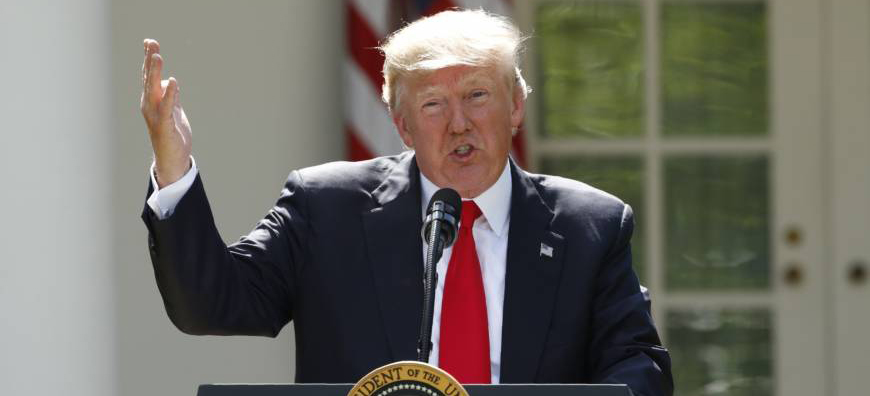
The Paris accord is one of the efforts made by world leaders to combat global warming. During the COP 21 held in Paris in 2015, the participating countries reached an accord on how to reduce global warming. Recently, the president of the United States, Donald Trump announced that the country would withdraw from the Paris climate accord. He argued that the agreement was a threat to the economy and sovereignty of the nation.

Whatever happens at the top of any administration gradually but surely trickles down. Trump’s denial of climate change is growing the population of Americans who also think that climate change is a hoax. Leading scientists have strengthened their claim that the earth is warming and that human activities are the cause. Obama administration prioritized the fight for against climate change but Trump administration thinks otherwise.


